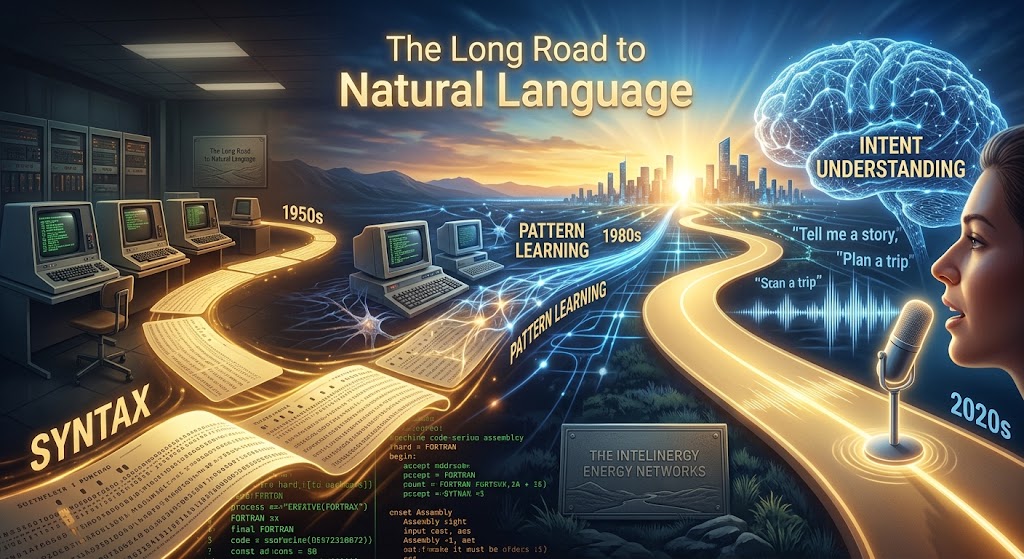
AI, You, and the Meaning of Life: A Simple Guide to Our New Reality
AI is changing our daily routines, but what does it mean for our journey as humans? Let's explore the simple philosophy behind artificial intelligence.
Picture your morning. Your smart alarm wakes you up based on your sleep cycle. You ask a speaker to play a playlist made just for you, and later, you use ChatGPT to help write a tricky email to your boss.
Before you've even had your coffee, artificial intelligence has already acted as your personal assistant, your DJ, and your editor.
But it makes you wonder: if machines are doing so much of our thinking, choosing, and planning, what happens to our actual lives? AI isn't just a tool we pick up and put down anymore; it is silently shaping the way we view our own reality.
The Beauty of Friction
For centuries, figuring out what it means to be human was all about the journey. We make choices, mess up, get our hearts broken, and eventually figure things out. We learn by living.
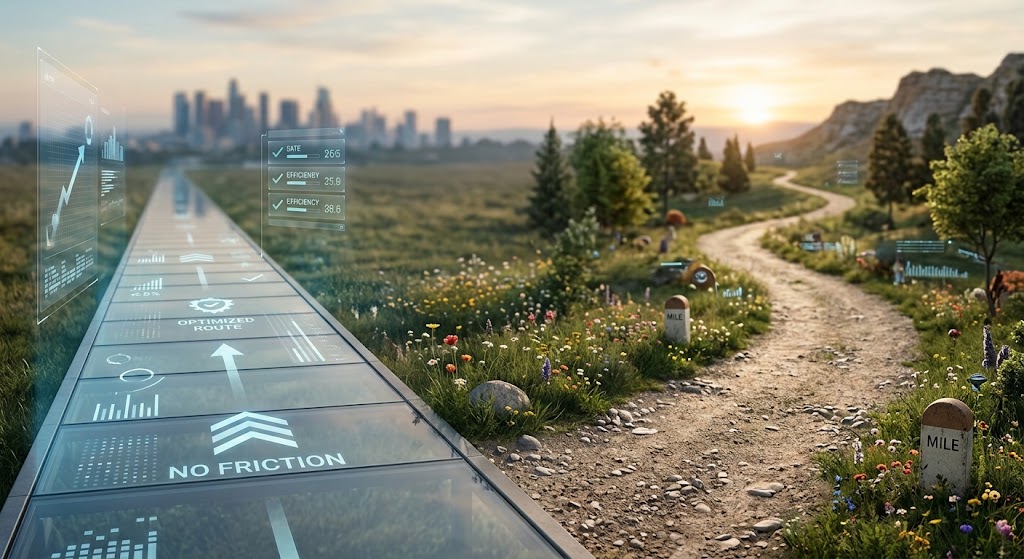
A big part of that human journey is friction. Think about the struggle of staring at a blank page trying to find the right words to apologize to a friend, or the experience of getting delightfully lost in a new city. Friction is frustrating, but it is also where growth happens. It is where we build character.
AI is designed to eliminate friction. It writes the apology email in three seconds. The GPS ensures you never get lost. It’s brilliant at dodging traffic and finding the quickest route. But a GPS doesn't actually know what a grocery store is. It doesn't get hungry, and it doesn’t feel the stress of being stuck behind a slow truck.
When we let AI smooth out every rough edge of our daily lives, we have to be careful not to accidentally smooth out the very things that make life interesting and meaningful.
The Illusion of Connection
Have you ever said "thank you" to ChatGPT or apologized to your smart speaker? We almost all do it. As humans, we are fundamentally wired to connect. When something speaks to us in a conversational tone, we automatically treat it like a person.
Modern philosophers point out that this is the weirdest part of our new reality: the illusion of empathy. AI is incredibly good at doing things, but it understands absolutely zero about what it's doing. When an AI says, "I understand how you feel," it doesn't actually understand anything. It’s simply predicting the next most statistically appropriate word based on billions of human conversations.
It is a mirror. It reflects our own humanity back at us, but there is nobody on the other side of the glass. If we aren't careful, we can start substituting these frictionless, artificial interactions for real, messy human relationships.
How Our Reality is Shifting
The real risk in our everyday lives isn't a sci-fi robot takeover. It’s that we might outsource our curiosity and our decision-making.
Think about how much of your daily reality is curated by algorithms. AI decides which news stories show up in your feed, which videos you watch next, and which products you should buy. If we outsource too much of our thinking, creating, and problem-solving to these systems, we put our own personal growth on pause. We stop actively choosing our path and start just floating along the stream the algorithm created for us.
Recent studies looking at how AI affects normal people show a clear trend: we love how it knocks out our chores and speeds up our work, but we're struggling to figure out how to live with it without losing our sense of purpose. The goal isn't to compete with AI or reject it completely. The goal is to let it handle the busywork so we have more time and energy for the things that actually matter.
You Are Still the Main Character
AI is definitely changing how we live day-to-day. It makes things faster, easier, and undeniably more efficient. But it can't replace the actual experience of being alive.
A machine can't feel the sun on its face, it can't take the blame for a tough moral choice, and it can't feel the thrill of a hard-earned win. AI can clear the road and hand you the map, but you still have to take the trip yourself.